
Autumn yard work is most valuable when it prevents water, disease, and equipment problems rather than trying to make everything look finished. The exact timing depends on climate, but the priorities stay consistent: keep drainage open, protect healthy plants, remove problem material, and store systems in a condition that can restart safely.
1. Keep drainage routes open
Clear leaves from surface drains, swales, stair drains, and the ends of downspouts. Confirm water is directed away from structures without discharging onto a neighbor or creating erosion. Do not enter a confined drain or work in flowing storm water.
2. Manage leaves according to location
A thin layer of chopped leaves can return organic matter to an actively growing lawn. Thick mats block light and trap moisture, so collect or redistribute them. Leaves can remain as habitat in suitable garden areas, but remove diseased material and keep piles away from drains, walkways, and building foundations.
3. Mow based on growth, not a final-date myth
Continue mowing while grass grows, using a height suitable for the turf. Do not scalp the lawn for winter. Clean leaf buildup from the mower deck only after disabling the machine according to its manual.
4. Protect vulnerable plants
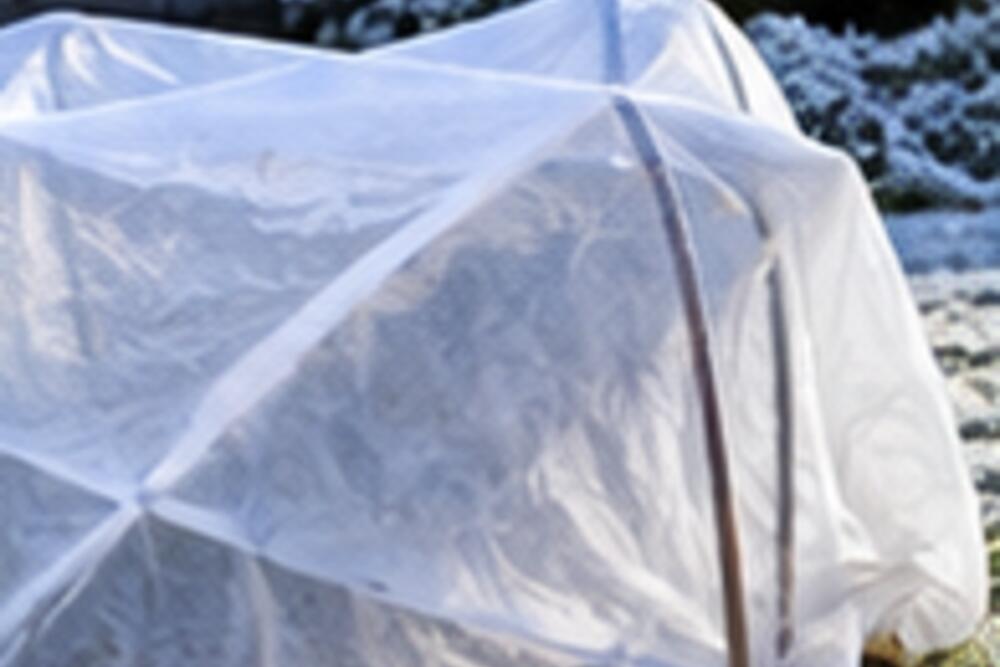
Water evergreens and newly planted trees during dry autumn weather until the ground freezes where applicable. Keep mulch several inches away from trunks and stems. Use guards where rodents or equipment threaten young bark, but avoid tight wraps that hold moisture.
5. Shut down irrigation correctly
Freezing climates may require professional blowout or model-specific draining. Compressed air can damage components and cause injury when pressure and sequence are wrong. Insulate or drain exposed fixtures as local practice requires, and store removable timers indoors after removing batteries if directed.
6. Clean and store tools
Remove soil, dry metal surfaces, inspect handles, and sharpen cutting tools before storage. Stabilize or drain fuel only according to the engine manufacturer. Store batteries at the temperature and charge level specified for their chemistry, away from combustible clutter and physical damage.
7. Inspect decks, patios, and steps
Remove slippery organic buildup, correct loose boards or pavers, and keep gaps and drainage paths open. Do not seal damp wood merely to finish before winter; coatings need appropriate moisture and weather conditions.
Photograph repairs that can wait and make a short spring list. A documented list prevents the same problems from being rediscovered after winter damage has made them larger.
Related guides
Why this small job matters
Autumn Yard Maintenance: Seven Jobs That Prevent Spring Problems is the kind of task that is easy to postpone because the first symptom rarely feels urgent. In a lived-in Seasonal Guides routine, small changes add up: a little dust, a little moisture, or a little wear can make equipment work harder and can turn a ten-minute check into a weekend repair. The useful approach is to notice the change, write down what you see, and make one controlled adjustment at a time. That habit gives you a baseline for the next season and makes it easier to explain the situation if a specialist is needed.
What to look for as you work
Take a slow look before touching anything. Check for loose fasteners, unusual sounds, water marks, heat, damaged seals, or material that has changed color. Work in good light and keep the original parts, labels, and measurements nearby. If the result is not clearly better after the first safe step, stop and reassess rather than adding more force or more product. A short note about weather, age, and recent changes often reveals a pattern that is invisible in a single visit.
A practical follow-up routine
Finish by cleaning the work area and testing the result under normal conditions. Put the next inspection on a calendar, especially when the task depends on a season or a filter, seal, or moving part. Keep a simple home log with the date, what you changed, and a photo of the finished condition. That record turns maintenance into a calm routine instead of a reaction. When you find exposed wiring, structural damage, gas smells, persistent leaks, or anything that could injure someone, leave it alone and contact a qualified professional.