How to Adjust a Lawn Sprinkler Away from a Walkway
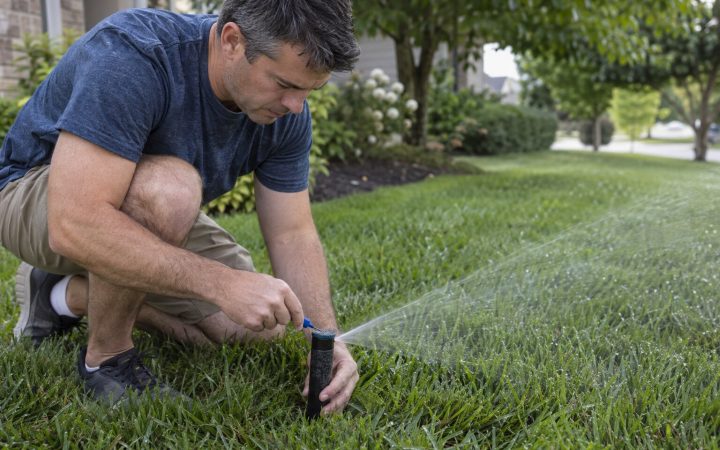
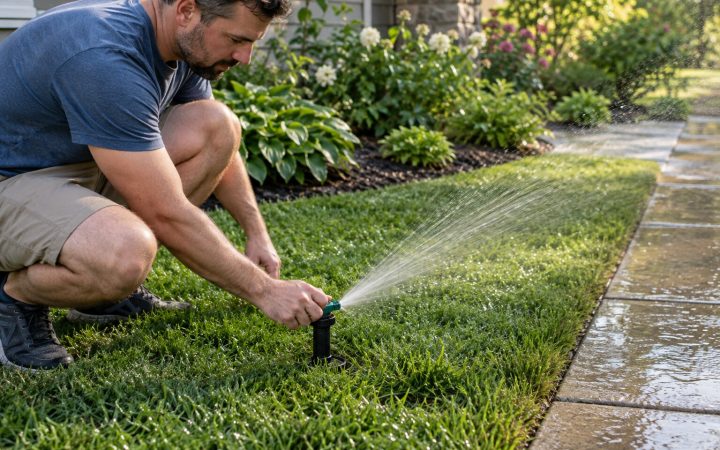
A sprinkler that wets a walkway wastes water and can create a slippery surface. Adjusting the arc or nozzle improves coverage when the head…

YardDecoded Library
Efficient watering methods, schedules, and system troubleshooting.
A sprinkler that wets a walkway wastes water and can create a slippery surface. Adjusting the arc or nozzle improves coverage when the head…
A clogged sprinkler head can leave dry patches and cause water to spray unevenly. Cleaning starts with shutting off the system and removing debris…
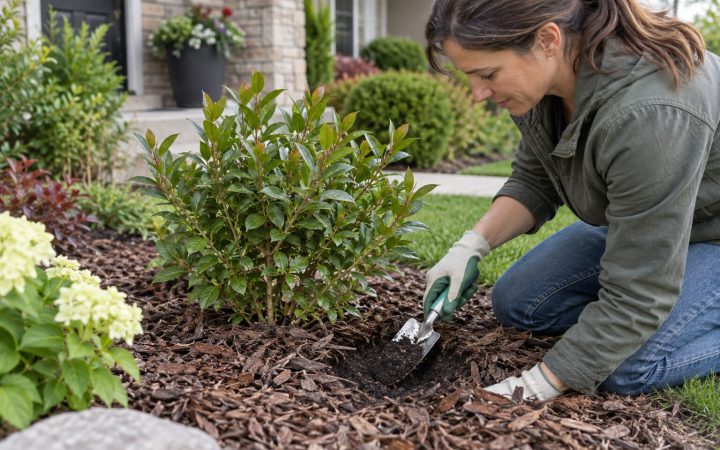
Mulch reduces evaporation but can hide soil that is either dry or saturated. Checking beneath the surface helps set a watering schedule based on…
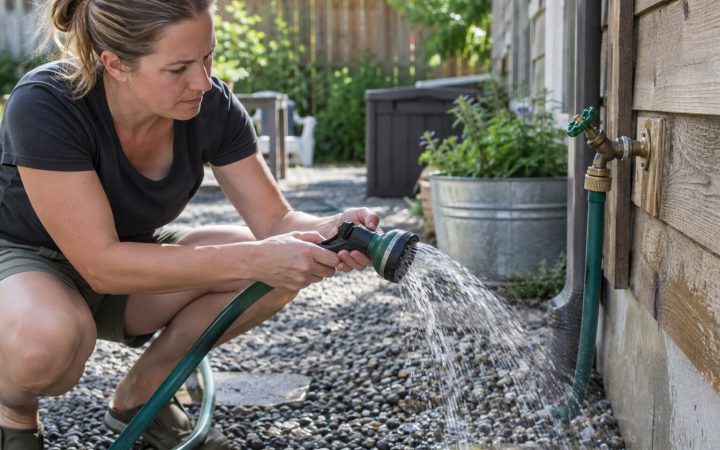
A hose nozzle may lose pressure when grit or mineral fragments lodge in its inlet screen or spray openings. Flushing is simple when the…
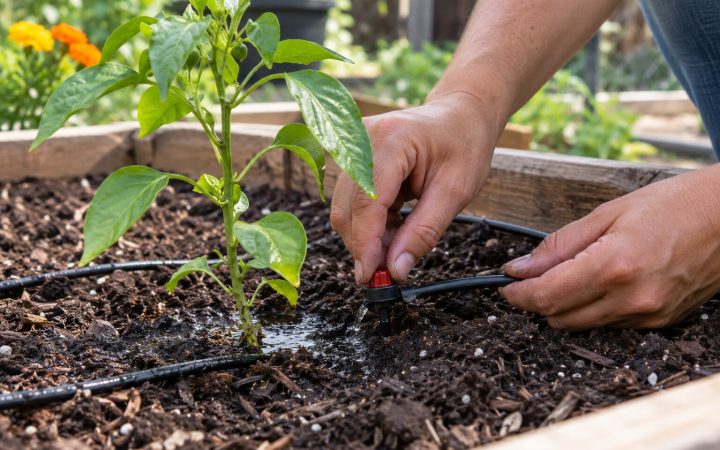
A pepper plant needs steady moisture, but a constantly saturated root zone can be as damaging as drought. Adjusting the emitter starts with observing…
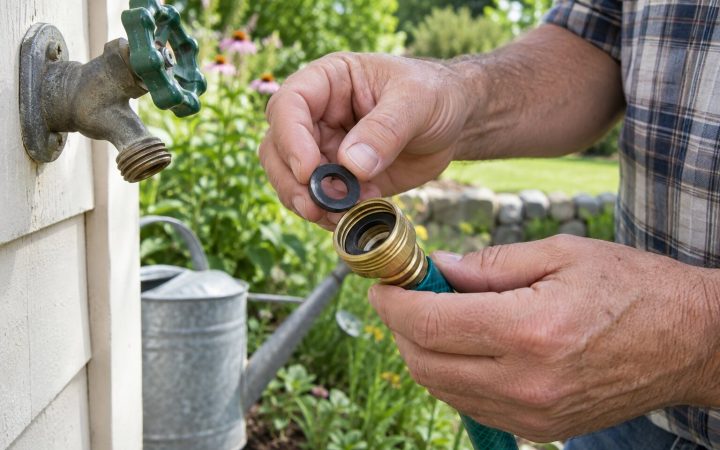
A hose connection that drips at the spigot often needs a new rubber washer rather than more tightening. Replacing the small washer protects the…
Rain barrels collect roof debris along with water. A seasonal cleanout keeps screens flowing and reduces odors, algae, and mosquito habitat.
A damaged sprinkler head can create a dry patch, a geyser, or a muddy ring. Replacing the matching head is usually easier than increasing run time.
Check the water source, filter, regulator, tubing, zones, and emitters in an order that avoids random part replacement.
“Water for twenty minutes” sounds precise, but it ignores sprinkler output, soil, slope, wind, roots, and weather. Two zones can run equally long and…