How to Inspect a Cucumber Vine for Yellowing Leaves
Yellow cucumber leaves can follow age, uneven watering, root stress, nutrient problems, pests, or disease. Inspecting the whole vine is more useful than treating…

YardDecoded Library
Observation-led help for diagnosing stress, pests, disease, and growing conditions.
Yellow cucumber leaves can follow age, uneven watering, root stress, nutrient problems, pests, or disease. Inspecting the whole vine is more useful than treating…
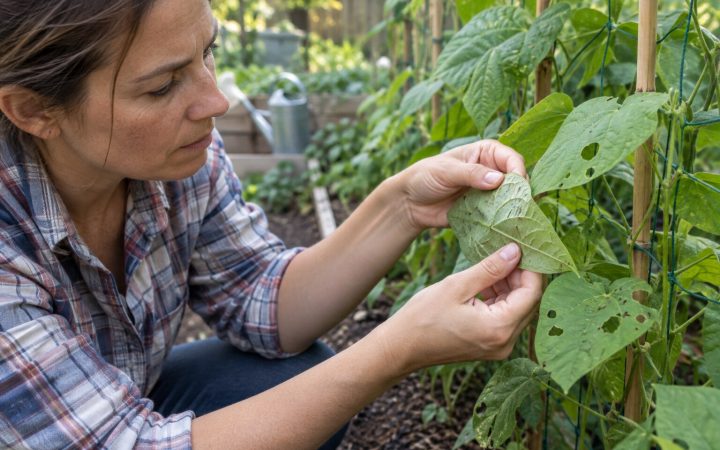
Small holes in bean leaves can come from beetles, caterpillars, slugs, or weather damage. Inspecting the pattern and underside of leaves helps identify the…
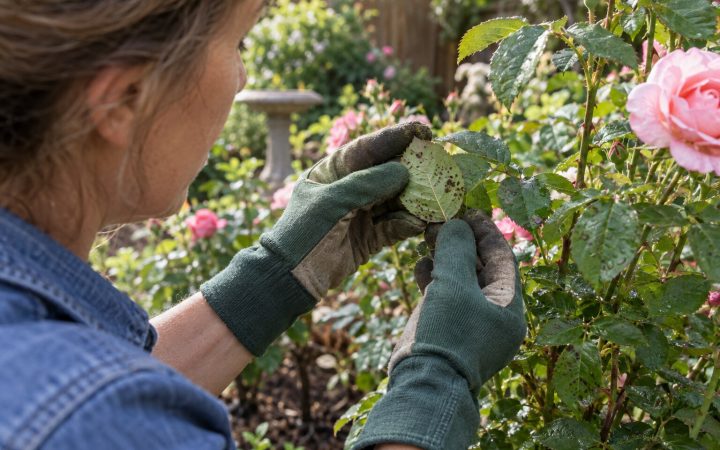
Black spot on rose leaves often starts as small dark marks that expand and cause yellowing or early leaf drop. Inspecting the pattern and…
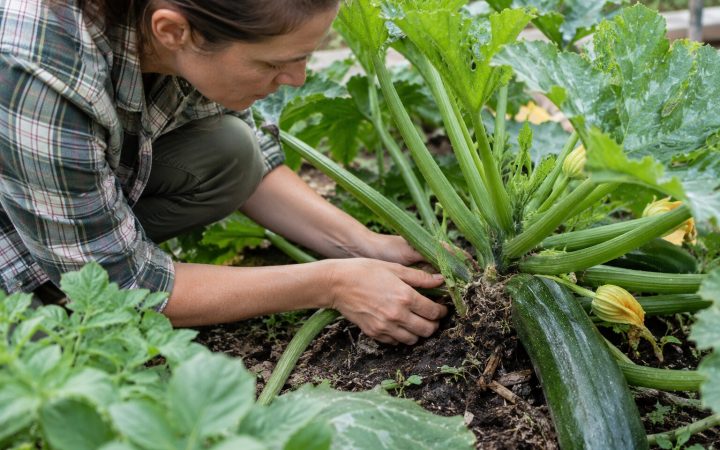
Soft or discolored tissue near a zucchini stem can follow excess moisture, physical injury, insects, or disease. Inspecting the base early helps separate a…
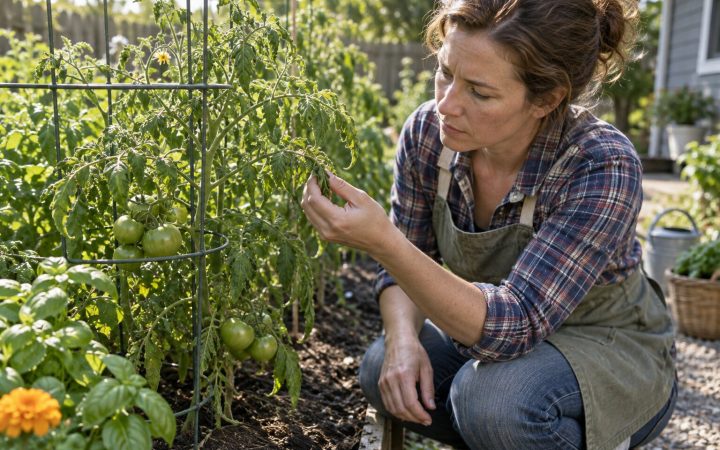
Early insect damage on tomato plants is easier to manage when you identify the pattern before leaves become heavily distorted. Look at the top…
Spots on cucumber leaves may follow splashing water, insect feeding, sun stress, or a fungal or bacterial disease. Looking at the pattern, moisture, and…
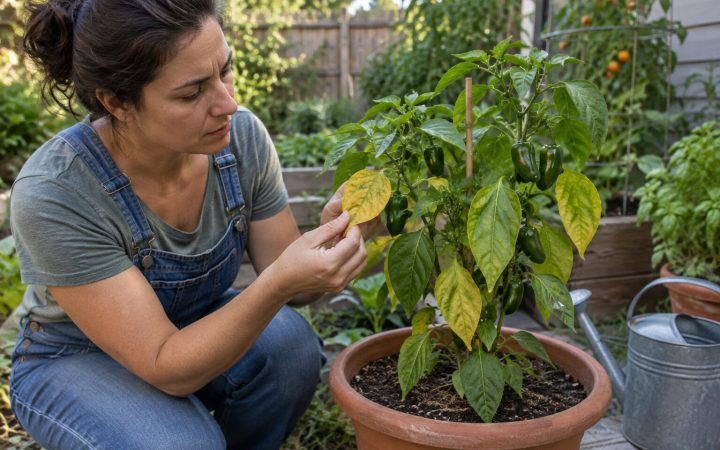
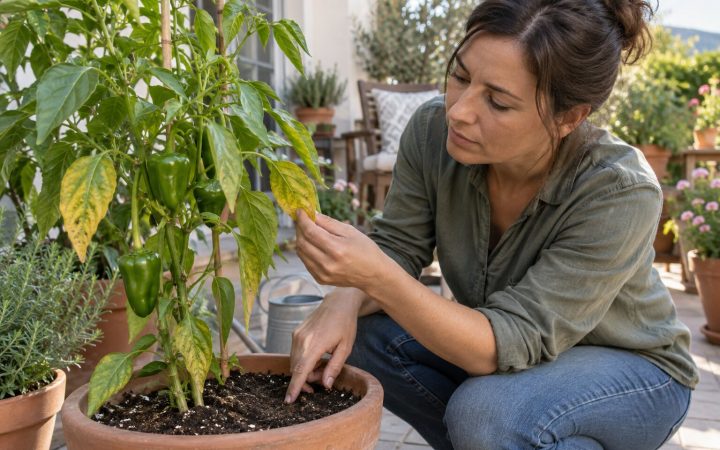
Yellow pepper leaves can result from normal aging, uneven moisture, poor drainage, root stress, pests, or a nutrient imbalance. Inspecting the pattern and the…
Curled tomato leaves can signal heat, irregular watering, pests, root stress, or a disease problem. Inspecting the whole plant and its growing conditions helps…
Yellow leaves on a potted pepper plant can come from old foliage, excess water, low light, or a nutrient problem. Looking at the pattern,…
Powdery mildew often appears as pale, flour-like patches on squash leaves before the plant declines. Early recognition lets you improve airflow and remove badly…